
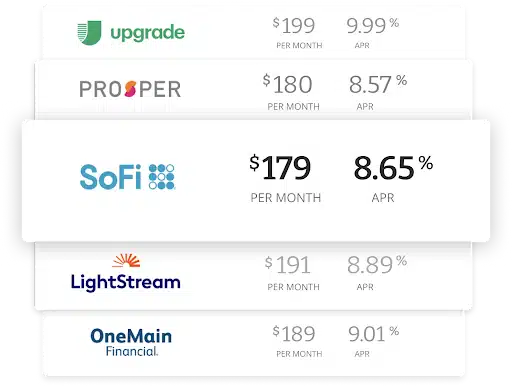
Texas homeowners have a few different ways to pay for renovations, ranging from quick unsecured personal loans to using home equity through HELOCs or FHA 203(k) loans.
Deciding which path to take usually comes down to one question: do you want to use your house as collateral, or do you want to keep this debt completely separate from your real estate? This choice changes everything, from the interest rates you’ll see to how quickly you’ll actually get the money in your bank account.
Since real estate values shift quite a bit between the Hill Country and the Gulf Coast, you need to know how these tools actually work. A kitchen remodel in Austin is a different financial animal than a roof repair in Houston.
The Mechanics of Unsecured Personal Loans
A lot of people start with a personal loan. It’s an installment loan, meaning you get a lump sum upfront and pay it back in fixed monthly chunks over a set term. Because these are usually unsecured, you aren’t putting your house on the line to get the cash.
That lack of collateral is a trade-off. On one hand, the application is much faster, which is great if you need to fix an HVAC system before a Texas summer heatwave hits. On the other hand, lenders look much harder at your credit score and income to decide your rate. They’re taking more of a risk, so they’ll want to be sure you can pay them back.
For many, though, the simple monthly payment is the whole point. You’ll know exactly what your budget looks like every month, so there aren’t any surprises when the bill comes due. It makes long-term planning a lot easier.
If you’re in a hurry, you don’t have to drive across town to find a deal. You can scout offers online from big banks, credit unions, and niche renovation programs to see what fits. Using a site like texasloanstoday.com can help you compare different lenders quickly.
Comparing Loan Types
When you’re looking at personal loans, it helps to group them by how the rates behave. You’ll likely choose between a fixed-rate loan or a variable-rate option. A fixed rate stays the same for the whole term, while a variable rate can climb if market conditions shift.
- Fixed-Rate Personal Loans: Predictable payments that never change.
- Variable-Rate Personal Loans: Lower initial rates that might climb later.
- Unsecured Loans: No collateral required, which makes them easier to get but often more expensive.
The rate you get depends heavily on your debt-to-income ratio. If you already carry a lot of debt, lenders might see you as a higher risk. That might mean they offer you a smaller amount or a higher interest rate than you were expecting.
Equity-Based Financing and Collateralized Options
If you have significant equity in your home, you might want to look at loans that use the property as collateral. These are home equity products. They typically have much lower interest rates than personal loans because the lender has a safety net if you can’t pay them back.
Frost Bank offers a choice between home collateral and non-collateral loans for their improvement products. This gives homeowners a way to decide exactly how much risk they want to take. A collateralized loan might save you thousands in interest over ten years, but you’re essentially betting the roof over your head on your ability to pay it off.
A Home Equity Line of Credit (HELOC) is another common route. It’s a lot like a credit card tied to your house. You have a limit, you draw what you need for the renovation, and you only pay interest on what you’ve actually used. This works well for phased projects, like a landscaping overhaul that takes several months to complete.
If you’re looking to buy a house and fix it up at the same time, the FHA 203(k) loan is built for that. It lets you wrap the cost of repairs directly into your primary mortgage. This can be a lifesaver for older homes in historic Texas neighborhoods that need some work to be livable.
| Loan Type | Collateral Required? | Best For… |
|---|---|---|
| Personal Loan | No | Quick repairs like HVAC or plumbing. |
| HELOC | Yes | Ongoing or multi-stage projects. |
| FHA 203(k) | Yes | Renovating a home you are currently buying. |
The downside to these equity options is the paperwork. You’ll almost certainly need an appraisal to find out what the house is worth. That adds time and upfront costs, even if the long-term savings are worth it.
Project-Specific Funding and Niche Programs
Sometimes the project itself dictates how you pay for it. Installing a massive pool in a Dallas suburb is a different financial undertaking than fixing a leaking roof in San Antonio. Some lenders actually have programs designed for specific types of upgrades.
If you’re dealing with an emergency, like a broken water heater or a damaged roof, you probably want the fastest route possible. Many lenders provide fast personal loans for these situations, and you don’t need home equity. That’s a huge advantage if you’re a new homeowner with very little built-up value in the property.
Banks and credit unions don’t all act the same. A local Texas credit union might be more willing to look at your personal history and community ties, while a large national bank might rely strictly on an automated credit score. That difference can lead to very different results for your application.
Some programs are also designed specifically for energy-efficient upgrades. These sometimes come with tax incentives or specialized terms that make them more attractive than a standard loan. It’s worth asking if there are any specific incentives for “green” improvements.
Common Renovation Categories
When you apply, lenders usually want to know exactly what the money is for. They might ask for contractor estimates or a detailed scope of work. Having these details ready can speed up your approval quite a bit.
- Structural: Roofs, windows, siding, and foundation repair.
- Systems: HVAC, electrical, and plumbing upgrades.
- Aesthetics: Kitchen remodeling, bathroom renovations, and flooring.
- Outdoor: Pools, decks, and landscaping.
If you’re planning a major overhaul, like gutting a kitchen, your lender will likely want a detailed cost breakdown. They want to be sure the loan covers the whole job, because a half-finished kitchen is a liability for everyone involved.
Comparing Rates and Eligibility Requirements
The math on borrowing is often more complicated than the numbers on a glossy brochure. You have to account for closing costs, the possibility of variable rates, and the impact on your monthly cash flow. A loan that looks cheap because of a low interest rate might actually cost more if the upfront fees are high.
Eligibility is another moving target. Most lenders look at your credit score, monthly income, and existing debt. They want to see that you have enough breathing room in your budget to handle a new monthly payment. This is especially true for unsecured loans where there is no property to seize if things go wrong.
If your credit score isn’t where you want it to be, don’t panic. You can often improve it before you apply by paying down small balances or making sure all your utility payments are documented and on time. It takes time, but waiting six months to boost your score can save you thousands in interest over the life of a five-year loan.
You should also look at the “effective” cost of the loan. This means looking at the interest rate plus any administrative or origination fees. Always ask for the Annual Percentage Rate (APR) instead of just the interest rate. The APR is a much more honest look at what you’ll actually pay over the year.
Comparing offers from several different sources is the best way to make sure you aren’t overpaying. Online lenders are usually faster, but a local credit union might offer better support if you run into issues during the loan term. It’s basically a trade-off between speed and service.
Check your credit report for errors before you start any formal applications. A single mistake can push your score down just enough to move you into a much higher interest rate bracket, which can wreck your entire renovation budget before you’ve even bought a gallon of paint.